
Our area
There’s a reason why the mountains and valleys between the towns of Worcester and Robertson, in the Western Cape Province of South Africa, are so important for our natural world. Here you’ll find threatened fynbos, Succulent Karoo and renosterveld across the landscape – providing corridors for wildlife in between agricultural lands.
This is why this conservation area was created across a 52,000-hectare land and waterscape – an area larger than a country such as Seychelles.
The Rooiberg Breede River Conservancy starts at the Willem Nels River situated alongside Robertson, and stretches all the way to the Nuy Valley towards Worcester in the north. It includes the majestic Langeberg and Rooiberg Mountains, down to the Breede River in the south.
The diversity of the vegetation in the Conservancy is due to the change in geology, soil types and moisture across varying altitudes from the peaks of the Langeberg to the Breede River below. As a result, 14 distinct natural vegetation types occur within the conservancy.
Four of these are threatened with extinction:
– Breede Alluvium Renosterveld (Endangered)
– Breede Alluvium Fynbos (Endangered)
– Muscadel Riviere (Endangered)
– Breede Sand Fynbos (Critically Endangered)
The Conservancy is particularly well known for the high number of plants that are found only here and nowhere else in the world. In fact, nine Critically Endangered, 18 Endangered, 27 Rare, 38 Vulnerable and 35 Near Threatened plant species have been recorded within the conservancy to date. And as we learn more about the region, we believe this number will increase.
That’s why we have been identified as a top priority for conservation by the Succulent Karoo Ecosystem Programme (SKEP), the Lesley Hill Succulent Karoo Trust (implemented by WWF South Africa) and the National Protected Area Expansion Strategy.
#Wildlife
Corridors for animals
Our wildlife is reliant on functioning ecosystems and corridors – and moves about in these corridors between the Langeberg and Rooiberg Mountains and beyond along the Breede River to the south. This climate corridor hosts Critical Biodiversity Areas (CBAs), and has been recognised by the Table Mountain Fund as one of six corridors in the Western Cape that must be protected.
Our fascinating wildlife
We have a diverse and fascinating range of wildlife, including the iconic Cape leopard. The area provides ideal habitat for the riverine rabbit (Critically Endangered), with confirmed sightings of brown hyena and honey badger (Vulnerable). Our freshwater species are just as important: Restricted populations of the Endangered Breede Redfin (Pseudobarbus capensis) occur in upper stretches of the Vink and Noree streams.

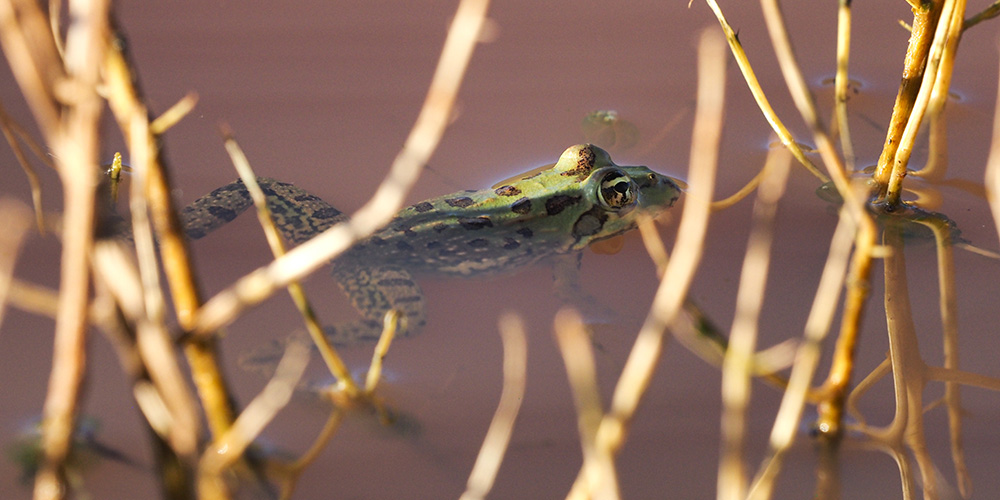


To date we have identified:
11
Frogs
11 species (1 Endemic)
33
MAMMALS
33 species
11
Fish
11 species (1 Endangered)
198
Birds
198 species
Farming and agri-tourism
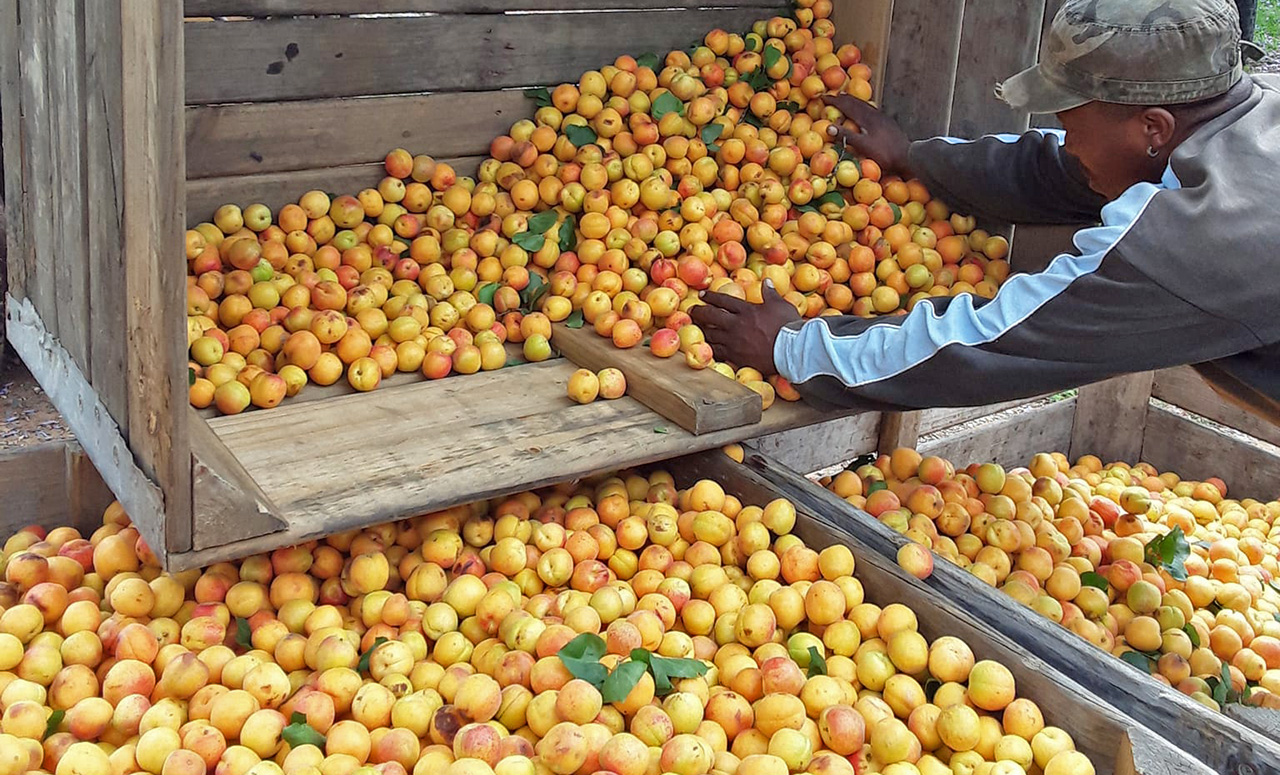
The sense of place that you’ll experience in the Rooiberg Breede River Conservancy is created not only by the conservation value, but also the peaceful farming lifestyle here.

In the Rooiberg Breede River Conservancy, farming and nature work hand-in-hand.
By caring for the natural areas, we enjoy a supply of clean water from our network of rivers, springs and streams flowing from the Langeberg Mountain range. And this in turn can support our agricultural sector. Our natural areas are a source of ecosystem services such as pollination services and pest management.
That’s one of the reasons why the Rooiberg Breede River Conservancy is highly regarded in the farming sector – producing quality wine and table grapes, citrus, mixed vegetables, pome fruit, olives and more recently almond nuts and cherries. Our region is also being valued as an agri-tourism destination.
CONSERVATION AND OTHER NEWS

Waitrose Nursery Project progress
Chairman’s end-of-year message
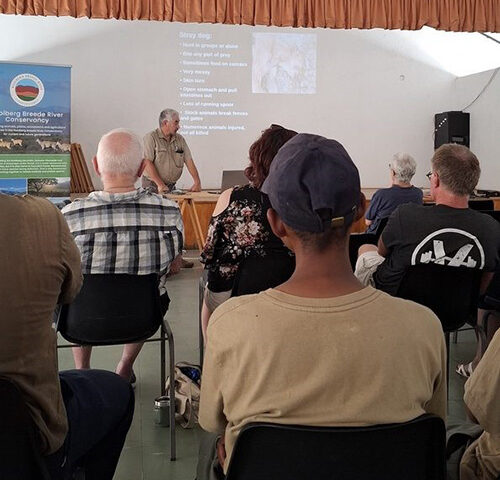
Workshop in collaboration with the Cape Leopard Trust

You don’t have to live in the conservancy to understand just how important this natural world is. If we lose it, we lose entire ecosystems – forever. There are many ways to get involved; and many reasons to do so.