
What we do
The Rooiberg Breede River Conservancy team undertakes conservation work to protect nature across this 52,000-hectare area.
Our activities include:
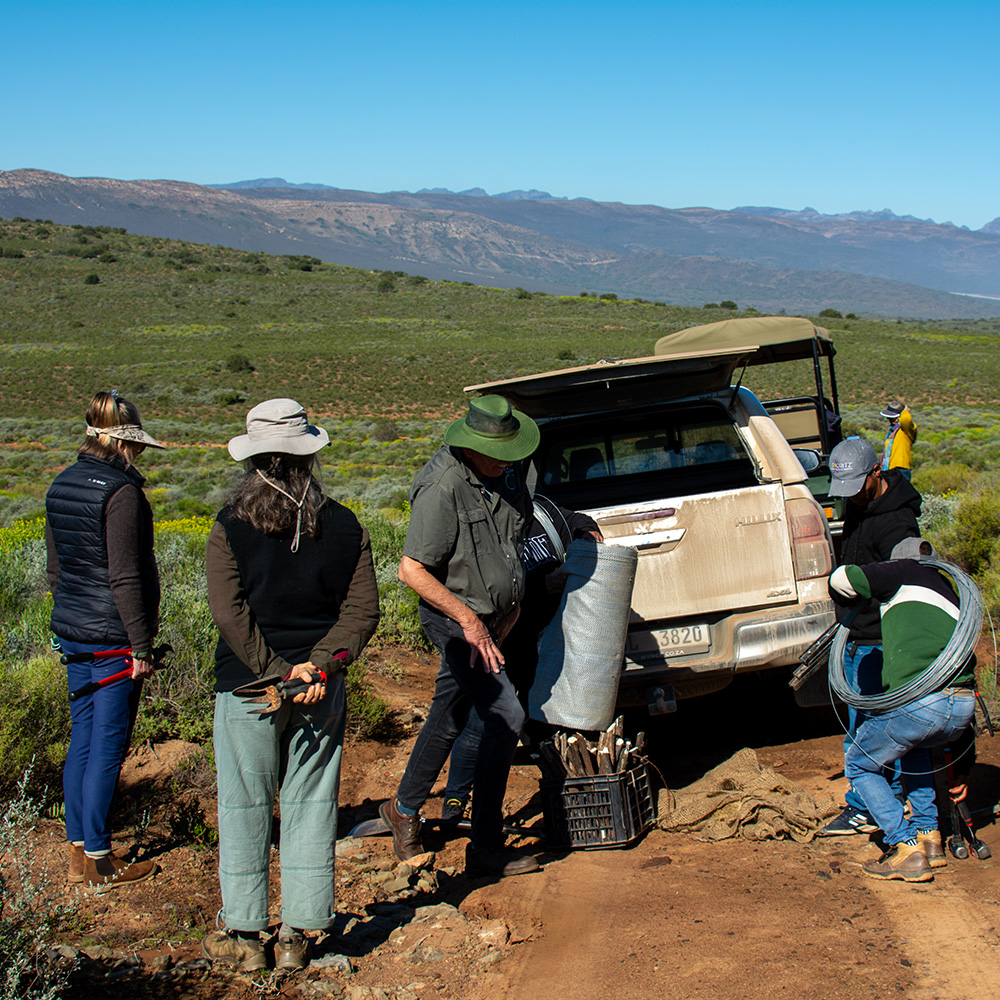
Invasive alien clearing
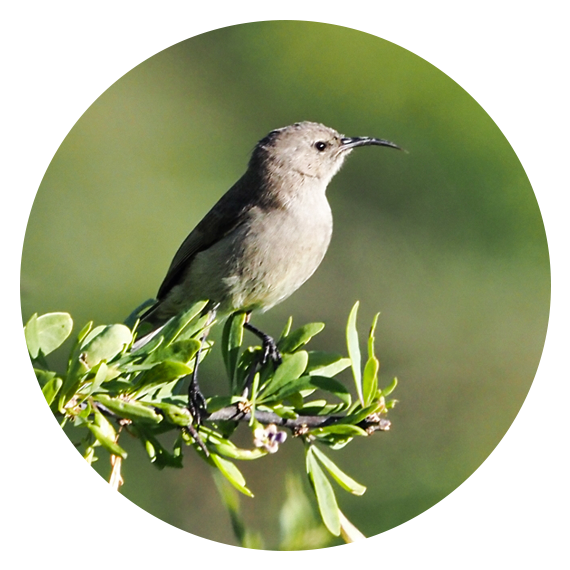
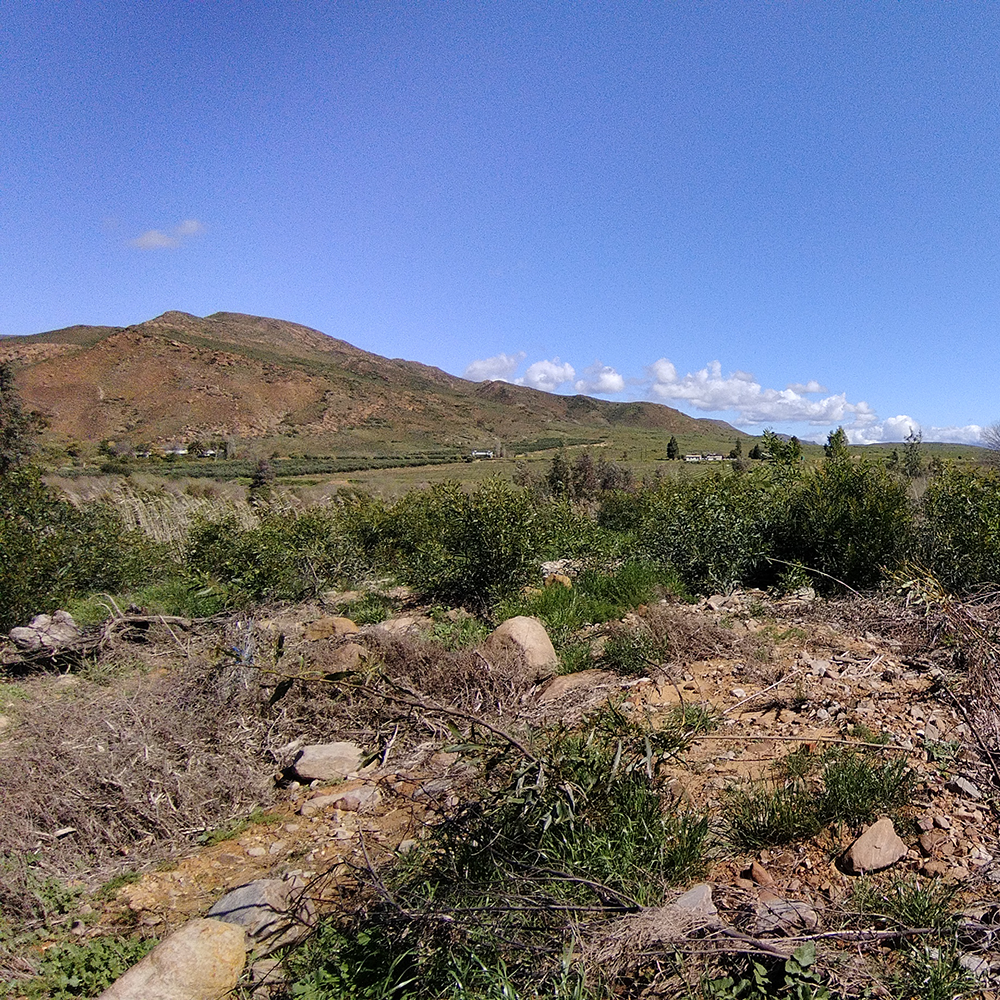
One of our greatest threats comes from invasive alien (non-indigenous) plants. Many of our waterways and natural landscapes are invaded by Eucalyptus, Pines, Spanish Reed, Acacias and Hakea. With support from the Western Cape Department of Agriculture, LandCare division, with co-funding from members, a major invasive alien management programme is now being implemented in the conservancy. Since 2019, large areas have been cleared, creating employment for several marginalised people.

A nursery for rehabilitation
The Rooiberg Breede River Conservancy established its own nursery in 2020 – working in collaboration with Nguni Nursery and Ginger-Up Herbs – with funding received from the Presidential Economic stimulus package. Plants are grown to rehabilitate riverbanks after alien clearing to accelerate the recovery of the ecosystem, as well as provide food and refuge areas for wildlife to move through. The nursery employs two part-time workers who collect and clean seed, sow and care for the plants. Rehabilitation services are offered through the nursery, allowing us to generate some income.
Biodiversity stewardship
We support landowners who choose to take the next conservation step on their own properties – to become biodiversity stewardship sites. This process is supported by WWF South Africa and CapeNature. Several biodiversity stewardship mechanisms are available to landowners – serving as an essential means of expanding conservation beyond state land, while also regulating the area as a buffer zone for the conservation and protection of existing protected areas.


Environmental education & awareness
We host regular educational events for various stakeholders, from landowners to others who are interested. This includes bioblitzing events – where experts lead citizen scientists to identify and log species for data collection purposes. Since late 2024, we have implemented a full-time environmental education project starting with one local farm school, Vinkrivier Primary. And we work to raise awareness around the Conservancy, our work and how we’re protecting it.
Biodiversity monitoring
Most animals found within the Rooiberg Breede River Conservancy are shy and difficult to see, and many are nocturnal. We therefore acquired roving camera traps which are placed at various strategic sites across the Conservancy – which allows us to monitor our wildlife and their movements, and implement conservation mitigation measures where needed. Along with that, we also undertake vegetation surveys to map the rare and endangered plant wealth of the Conservancy. We are currently compiling a detailed, ground-truthed map of rare and threatened species in our landscape to better plan for conservation mitigation measures.

Fire protection
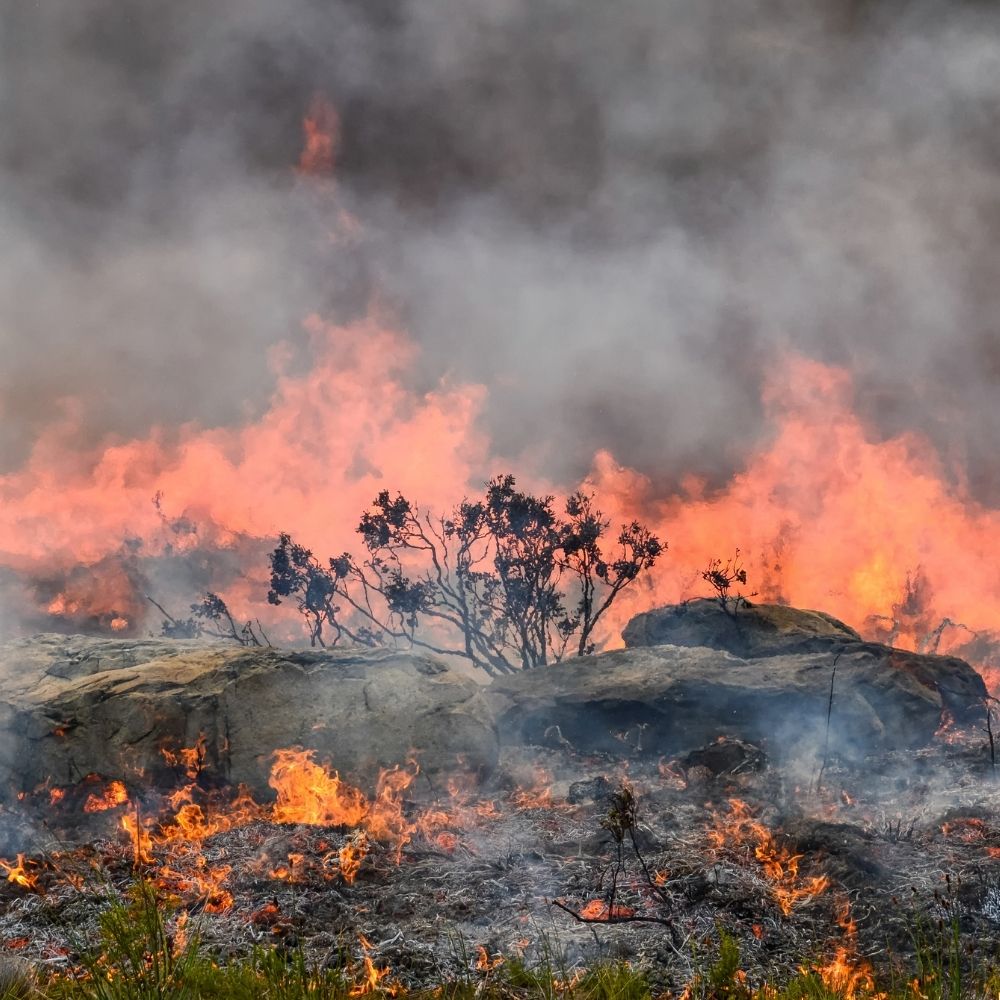
As a partner of the Winelands Fire Protection Association (WFPA), we work to predict, prevent, manage and extinguish veld fires in our region. We encourage all our landowner members to become members of the FPA, and most of them have already done so and now participate actively. Not only do statistics show that fires are less likely to break out on FPA member properties, in our experience they are often extinguished long before they get out of control thanks to FPA member preparedness – and so prevent the spread of fire to neighbour properties. Apart from these legal and security benefits, correct fire regimes translate to better ecological management.
Erosion control
We work with landowners to provide education, advice and materials to address the threats of erosion. The Conservancy is able to offer subsidised small-scale erosion remediation services to its membership, and can facilitate access to expert external service providers for larger, more complex jobs.
CONSERVATION AND OTHER NEWS

Waitrose Nursery Project progress
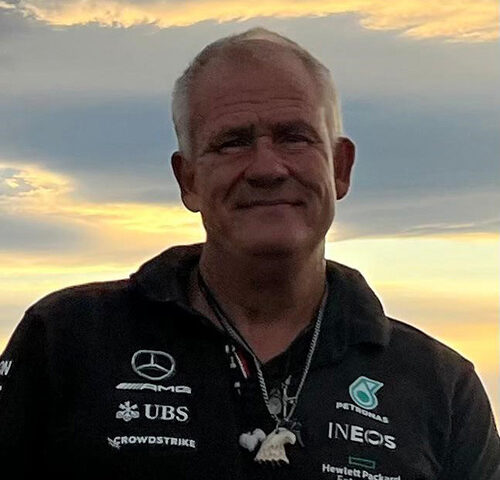
Chairman’s end-of-year message
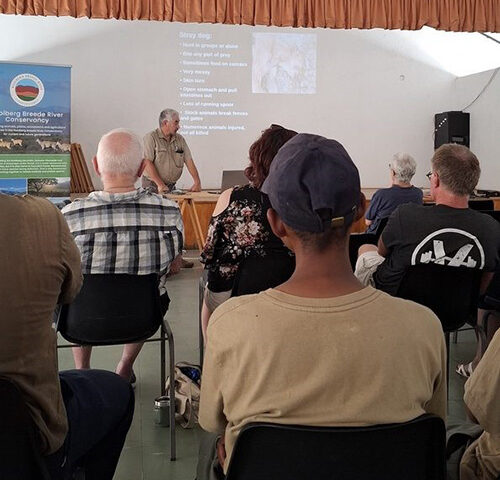
Workshop in collaboration with the Cape Leopard Trust
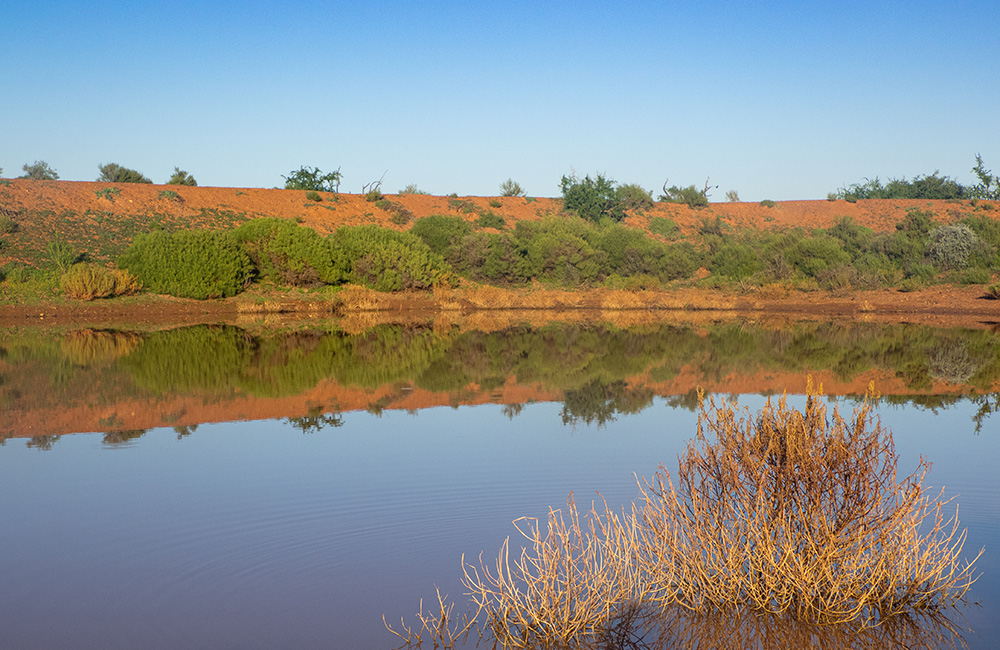
You don’t have to live in the Conservancy to understand just how important this natural world is. If we lose it, we lose entire ecosystems – forever. There are many ways to get involved; and many reasons to do so.